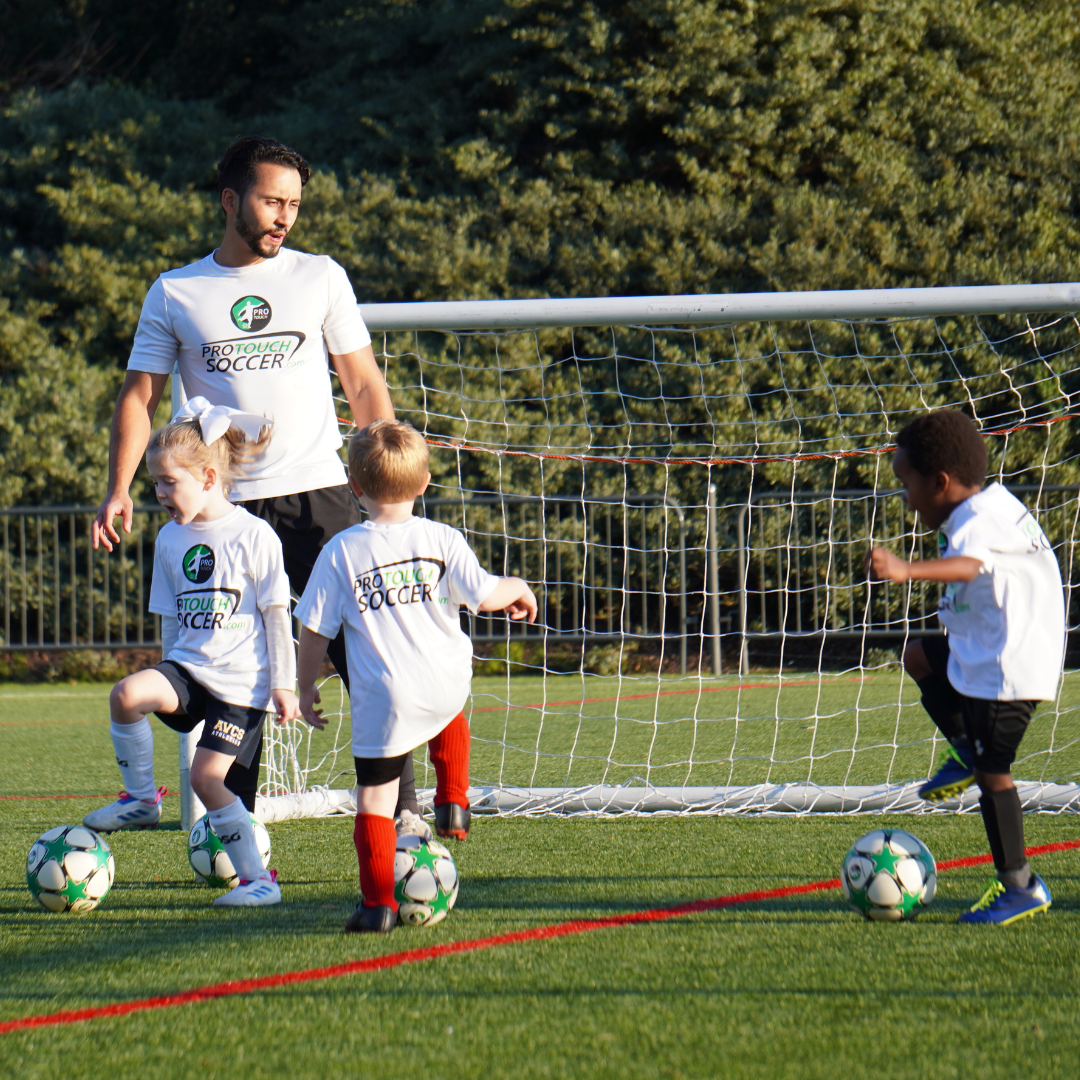
What Coaches Notice That Parents Often Miss
When parents watch their child play soccer, their eyes usually go straight to the obvious moments.
Did they score? Did they make a big play? Did they look confident in the game? Did they stand out more than the other players?
That is completely natural.
Parents want to see progress, and the clearest signs often seem to come from goals, highlights, and game-day success.
But coaches usually notice something deeper.
They are often paying close attention to the small details that reveal how a player is really developing beneath the surface.
And in many cases, those hidden details matter even more than the flashy moments parents tend to remember most.
Coaches Notice Body Language
One of the first things coaches often notice is a player’s body language.
How does a child respond after making a mistake? Do they drop their head, shut down, and lose confidence? Or do they recover, stay engaged, and keep going?
Body language says a lot about a young player’s mindset.
A player who stays positive, alert, and ready after a tough moment is often building an important skill that will help them far beyond one game or one season.
Parents may remember the mistake itself. Coaches often notice the response to it.
Coaches Notice Effort Without the Ball
Many parents naturally focus on what happens when their child has the ball at their feet.
But coaches are also watching what players do when they do not have the ball.
Are they moving into space? Are they staying active? Are they trying to support teammates? Are they paying attention and staying connected to the game?
These moments may not look dramatic from the sidelines, but they reveal a great deal about focus, understanding, and willingness to work.
Players who learn to stay engaged off the ball often develop into smarter and more complete players over time.
Coaches Notice Attitude During Challenges
Every young player will face frustration at some point.
Some days the ball does not cooperate. Some sessions feel difficult. Some games are simply harder than others.
In those moments, coaches are watching how players handle discomfort and challenge.
Do they keep listening? Do they continue trying? Do they stay respectful and open to learning?
Attitude during difficult moments often tells a coach more than performance during easy ones.
Coaches Notice Coachability
One of the most valuable traits in a young player is coachability.
This does not mean being perfect or getting everything right the first time.
It means being willing to listen, apply feedback, and keep learning.
A player who is coachable shows that they are open, humble, and ready to grow.
Even if they are not the strongest player today, coachable players often improve steadily because they are teachable and consistent.
Parents may be most impressed by natural talent. Coaches are often equally impressed by a player who listens well and makes adjustments.
Coaches Notice Confidence in Different Forms
Confidence does not always look the way people expect.
It is not only the loud player, the goal scorer, or the one constantly demanding the ball.
Sometimes confidence shows up more quietly.
It can be the player who keeps asking for the ball after making a mistake. It can be the one who tries again after failing. It can be the child who is nervous but still chooses to be brave.
Coaches often see those hidden moments of courage, even when parents do not realize how important they are.
Coaches Notice Habits Over Highlights
A highlight can be exciting, but habits are what truly shape development.
Coaches pay attention to the repeated patterns that show up over time.
Does a player arrive ready to work? Do they stay focused during instruction? Do they give consistent effort? Do they respond well to learning and repetition?
Those daily habits matter more than one impressive goal or one great performance.
Over time, strong habits build strong players.
Why This Matters for Parents
Parents play an incredibly important role in a child’s soccer journey, and understanding what coaches notice can help families support development in a healthier and more meaningful way.
Instead of focusing only on results, parents can begin to look for qualities like effort, resilience, attitude, focus, and willingness to learn.
These are the traits that often lead to long-term growth, even if they are not always easy to spot in the moment.
When parents learn to value those things too, children receive a more balanced message about what success really means.
Final Thoughts
The truth is that real player development is not only about goals, wins, or standout moments.
It is also about body language, coachability, effort, mindset, and the habits a young player builds along the way.
Those are the things coaches often notice first, because those are the things that help players improve over time.
At Pro Touch Soccer, we believe the best development happens when players are supported not only for what they achieve, but for how they learn, respond, and grow throughout the process.
And when parents begin to see those deeper qualities too, it can completely change the way they support their child’s journey in the game.